Learning Through Nature: Permaculture, Recycling, and Sustainable Living
- Generaciones Saludables España

- May 22, 2025
- 2 min read
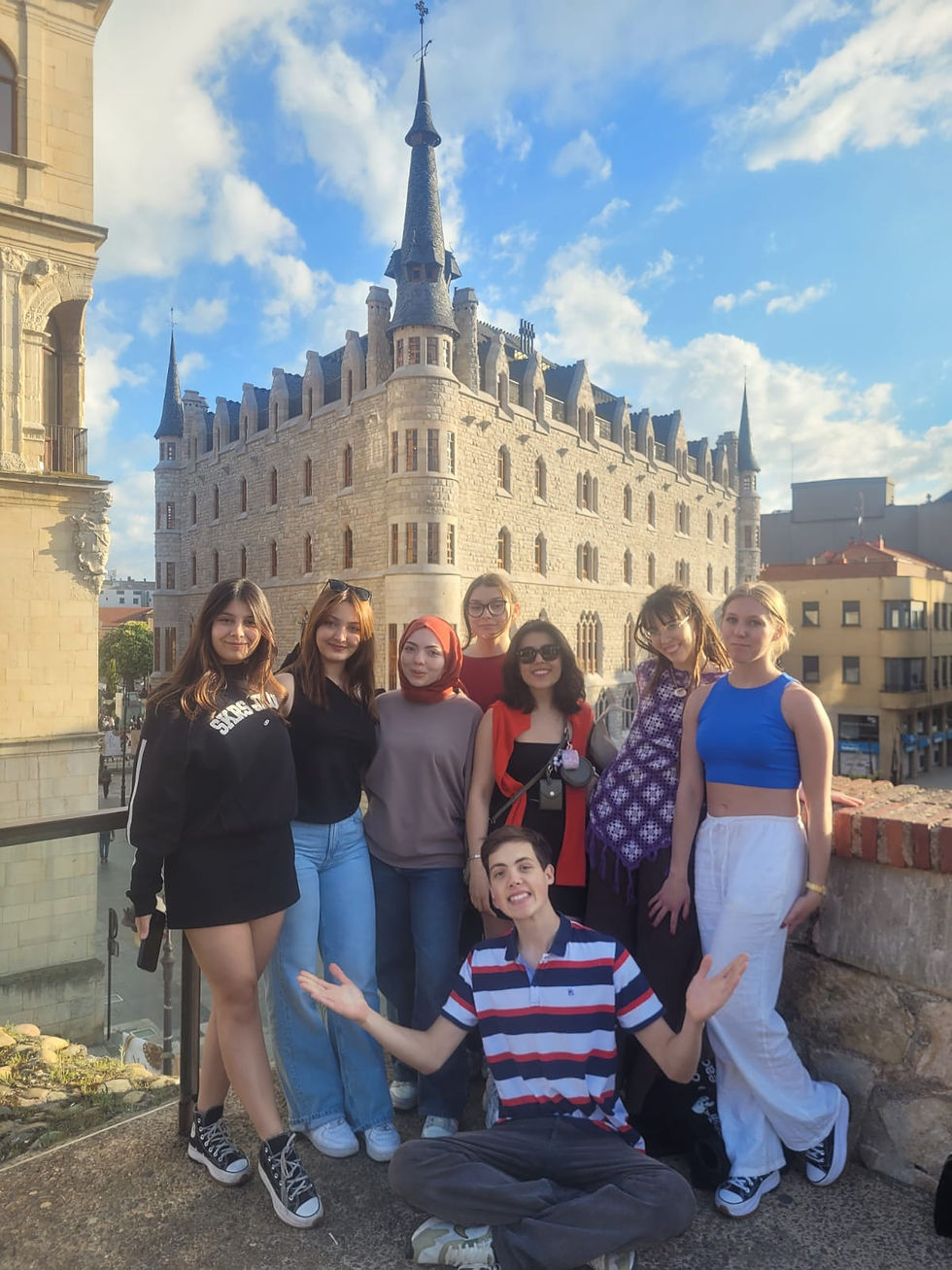


Legacy of the Soil: Sustainable Agriculture and Safe Food (Project No: 2024-3-ES02-KA153-YOU-000260774) is an Erasmus+ Mobility of Youth Workers project coordinated by Generaciones Saludables España. The mobility was held in Gijón, Spain, from 28 April to 5 May 2025, bringing together participants from Turkey, Spain, Hungary, Poland, and Iceland. The project focused on equipping youth workers with practical knowledge and non-formal education methods related to sustainable agriculture, safe food, healthy living, environmental protection, and climate action while fostering intercultural cooperation and the exchange of good practices among partner countries.
Participants reinforced their understanding of sustainability through interactive educational games and collaborative learning activities. A dynamic word search challenge encouraged teams to combine key concepts related to climate change, food safety, organic agriculture, and healthy nutrition into meaningful statements, strengthening both environmental knowledge and communication skills. Team-based tasks promoted cooperation, problem-solving, and critical thinking while helping participants transform theoretical concepts into memorable learning experiences.
The mobility also introduced participants to sustainable living practices through cycling activities, permaculture education, and creative recycling workshops. Practical cycling sessions highlighted environmentally friendly transportation as an effective way to reduce carbon emissions and promote healthier lifestyles. Workshops on permaculture explored the principles of caring for the Earth, supporting people, and sharing resources responsibly, while hands-on sculpture making from recycled paper demonstrated how waste materials can be transformed into valuable creative products. These experiences inspired participants to see sustainability as both a practical responsibility and an opportunity for innovation.
Environmental awareness was further strengthened through simulation activities that illustrated the delicate balance of ecosystems and the consequences of climate change. Participants explored biodiversity, species adaptation, and ecological resilience through interactive scenarios that demonstrated how environmental changes affect all living organisms. By combining experiential learning, reflection, and gamification, the project encouraged participants to think critically about the importance of protecting natural systems and adopting more sustainable behaviors in their personal and professional lives.
Intercultural learning remained a central element of the mobility, providing opportunities for participants to present their countries' agricultural traditions, environmental challenges, local food culture, and cultural heritage. Reflection activities supported participants in evaluating their learning outcomes, identifying new competencies, and recognizing opportunities for future youth work initiatives. As a result, participants strengthened their professional capacities, intercultural communication, environmental awareness, and commitment to promoting sustainable agriculture, safe food systems, and responsible environmental practices within their local communities.


